
Why Tankless Water Heaters Sometimes Stop Producing Hot Water
If your tankless water heater stops producing hot water, local service providers can diagnose common issues like mineral buildup or faulty components and perform necessary repairs.
If you rely on a tankless water heater for your daily hot water needs, experiencing a sudden loss of hot water can be frustrating and confusing. Many property owners in the area find themselves asking why tankless water heaters sometimes stop producing hot water, especially when they seem to be functioning normally. Understanding some of the common practical reasons behind this issue can help you identify potential causes and determine when professional assistance might be needed. Local contractors who specialize in tankless water heater repair are equipped to diagnose and resolve these problems efficiently, ensuring your system operates smoothly again.
Exploring why tankless water heaters sometimes stop producing hot water is especially relevant for homeowners and property managers looking to maintain comfort and convenience. Issues such as mineral buildup, flow rate restrictions, or sensor malfunctions are typical culprits that can disrupt hot water flow. Recognizing these signs early and working with trusted service providers can prevent small problems from escalating into more significant repairs. Keep reading to learn more about common causes and how local experts can help restore your system’s performance, keeping your hot water flowing reliably.
- Tankless water heater repair - homeowners experiencing inconsistent hot water may need local contractors to diagnose and fix issues like mineral buildup or faulty components.
- Tankless water heater repair - when a unit stops producing hot water unexpectedly, local service providers can inspect for flow restrictions or sensor malfunctions.
- Tankless water heater repair - problems with temperature fluctuation often require local pros to check for scale accumulation or heating element failures.
- Tankless water heater repair - if a heater is making unusual noises or shutting off prematurely, local contractors can identify and resolve underlying mechanical issues.
- Tankless water heater repair - reduced hot water output may be caused by water pressure issues, which local service providers can troubleshoot and repair effectively.
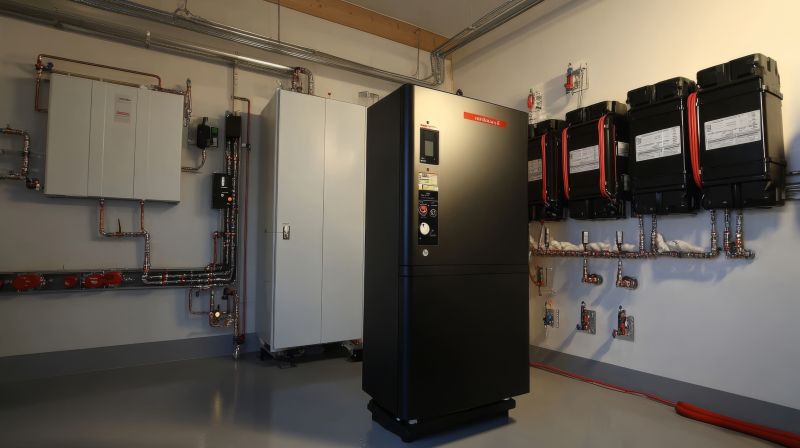
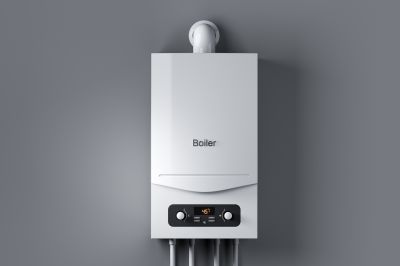
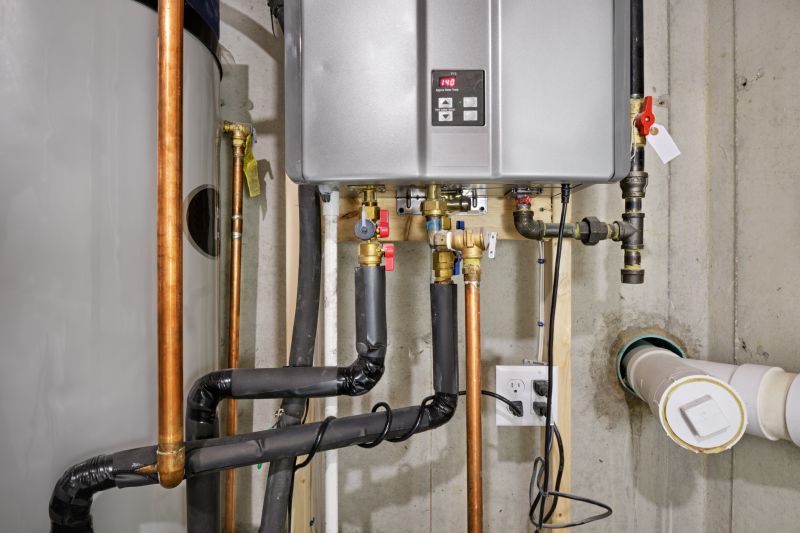
When homeowners search for why tankless water heaters sometimes stop producing hot water, they are often experiencing a sudden loss of hot water supply or inconsistent heating. This issue can disrupt daily routines, especially in households that rely heavily on hot water for bathing, cleaning, or appliance use. People typically want to understand whether the problem is a simple fix or a sign of a more significant malfunction. The goal is to identify the cause quickly and determine if professional repair or maintenance is needed to restore reliable hot water flow.
This concern is closely related to common problems such as mineral buildup, flow rate limitations, or component failures within the unit. For example, hard water deposits can clog the heat exchanger, reducing efficiency or causing the heater to shut down. Similarly, a malfunctioning sensor or thermocouple can prevent the heater from activating properly. These issues often arise in homes where the water supply contains high mineral content or where the unit is undersized for the household’s hot water demands. Homeowners may also encounter problems after recent repairs or installations, raising questions about whether the equipment is functioning as intended.
The types of properties that typically encounter these issues include single-family homes, townhouses, and small commercial buildings. Larger residences with multiple bathrooms or high hot water usage are more prone to experiencing flow restrictions or heater overloads. In areas with hard water, mineral buildup is a common challenge that can cause hot water production to cease unexpectedly. Additionally, older properties with outdated plumbing or heating components may face recurring problems that require professional diagnosis. Understanding the property’s size, water quality, and hot water needs helps in identifying the root cause of why a tankless water heater might stop producing hot water.
Finding the right local service providers is essential for addressing these problems effectively. Skilled technicians can perform thorough inspections to diagnose issues like mineral buildup, faulty sensors, or flow restrictions. They can also recommend appropriate repairs or adjustments to ensure the unit operates efficiently and reliably. Whether the problem stems from a simple clog or a more complex component failure, local contractors experienced in tankless water heater repair can help resolve the issue and restore hot water supply. Connecting with these professionals ensures that the problem is handled correctly, minimizing downtime and preventing future malfunctions.
Plumbing diagnostics - diagnosing complex plumbing issues helps identify causes behind hot water production problems in tankless systems, requiring similar troubleshooting skills used in water heater repairs.
Water heater installation projects - installing various types of water heating systems involves planning and understanding plumbing connections, which are essential skills for addressing tankless water heater malfunctions.
Pipe repair and replacement - repairing or replacing damaged pipes can impact water flow and temperature, paralleling issues that cause tankless water heaters to stop producing hot water.
Water pressure optimization - adjusting and maintaining appropriate water pressure levels is crucial for proper tankless heater operation, similar to troubleshooting pressure-related problems.
Thermostat and sensor servicing - servicing temperature sensors and control components is often necessary when tankless water heaters fail to heat water properly, requiring precision similar to other plumbing repairs.
Leak detection and repair - identifying and fixing leaks in plumbing systems can prevent water flow issues that cause tankless water heaters to stop producing hot water, utilizing related diagnostic skills.
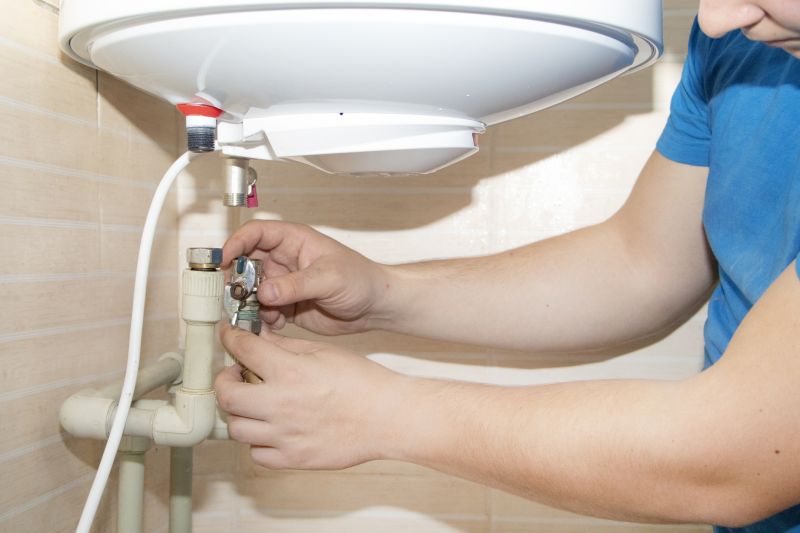
When comparing service providers for tankless water heater repair, it is important to consider their experience with similar projects. Homeowners should inquire about how many repairs they have completed that involve issues like inconsistent hot water supply or system failures. Contractors with a history of handling tankless water heater problems are more likely to understand the common causes of why these units sometimes stop producing hot water and can offer more effective solutions. This experience can also indicate familiarity with different brands and models, which can be beneficial when diagnosing and fixing specific issues efficiently.
Clear written expectations are essential when evaluating potential service providers. Homeowners should seek detailed explanations of what the repair process involves, including the scope of work, potential causes of the problem, and any parts that may need replacement. Having a transparent understanding helps ensure that both parties are aligned on what the repair will entail, reducing the chances of misunderstandings or unexpected costs. Service providers who communicate openly about what to expect during the repair process demonstrate professionalism and a commitment to customer satisfaction.
Reputable references and good communication are key factors to consider when choosing local contractors for tankless water heater repair. Homeowners can ask for references or reviews from previous clients who experienced similar issues, providing insight into the contractor’s reliability and quality of work. Additionally, service providers who are responsive, clear in their communication, and willing to answer questions can make the repair process smoother and less stressful. Effective communication ensures that homeowners stay informed about the progress and understand any recommendations for ongoing maintenance or future issues, helping to maintain the performance of the water heating system over time.
Property owners often search for why tankless water heaters sometimes stop producing hot water when they are planning practical projects around their homes and businesses. Local pros provide Tankless Water Heater Repair services for everyday jobs and straightforward project options.
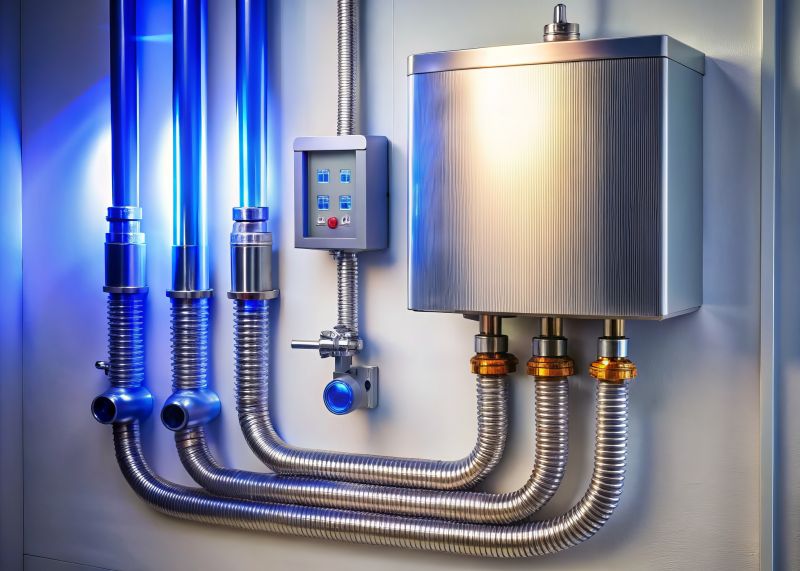
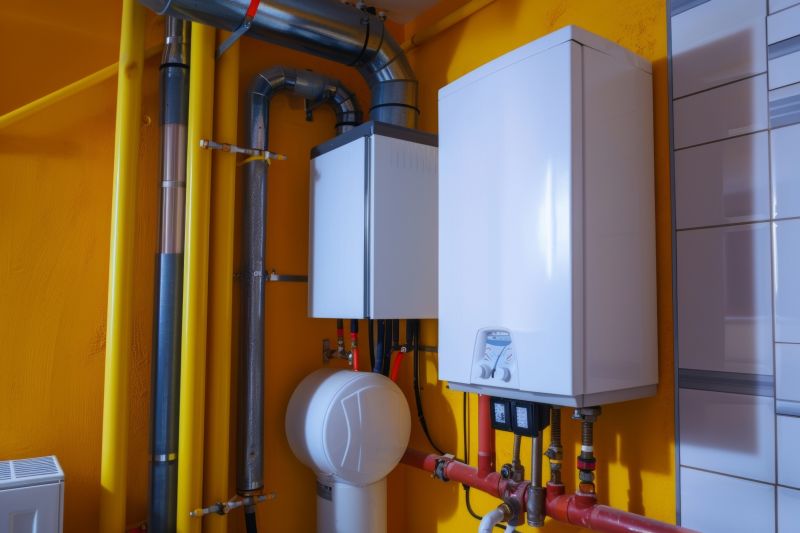
Tankless water heaters are a popular choice for property owners seeking on-demand hot water, but they can sometimes stop producing hot water unexpectedly. Common everyday situations that lead to this issue include mineral buildup inside the unit, which can clog the system and reduce its efficiency, or a malfunctioning thermostat that prevents the heater from heating water properly. Additionally, flow rate limitations or simultaneous use of multiple fixtures can cause the heater to struggle to supply enough hot water, especially during peak usage times. When these problems occur, local contractors experienced in tankless water heater repair can diagnose the root cause and recommend the appropriate solutions to restore hot water flow.
Understanding why tankless water heaters sometimes stop producing hot water can help property owners identify when professional assistance is needed. Faulty sensors, sediment accumulation, or issues with the heating elements are typical reasons that can be addressed through repair services. In some cases, simple maintenance or part replacements by local service providers can resolve the problem, preventing the need for a full replacement. Property owners looking for reliable tankless water heater repair services can find local contractors equipped to handle these common issues efficiently and effectively.
Why do tankless water heaters sometimes stop producing hot water? Tankless water heaters may stop producing hot water due to mineral buildup, thermostat issues, or a faulty heating element, which can often be addressed by local contractors experienced in tankless systems.
What causes a tankless water heater to suddenly stop providing hot water? Sudden loss of hot water can result from sediment accumulation, a broken sensor, or flow rate problems, and local service providers can diagnose and repair these issues effectively.
How can mineral deposits affect the performance of a tankless water heater? Mineral deposits can clog the heat exchanger, reducing efficiency and causing the unit to stop producing hot water, a common repair handled by local pros specializing in tankless systems.
What are common electrical or control issues that lead to a tankless water heater failing? Electrical faults, such as wiring problems or control board failures, can prevent hot water production, and experienced local contractors can troubleshoot and resolve these electrical issues.
When should a tankless water heater be repaired instead of replaced? Repairs are often suitable when issues are due to minor component failures or buildup, while persistent or major problems may require replacement, with local service providers guiding the best course of action.
Check for mineral buildup - mineral deposits can clog the system, causing a lack of hot water; local contractors can perform descaling or flushing to restore function.
Inspect the thermostat settings - incorrect temperature settings may result in no hot water; experienced service providers can help adjust or replace faulty thermostats.
Examine the water flow rate - low flow or pressure issues can trigger safety features, and local pros can identify and fix plumbing restrictions or leaks.
Assess the heating element and sensors - malfunctioning components can stop heat production, and local repair specialists can diagnose and replace faulty parts efficiently.
If you are thinking about why tankless water heaters sometimes stop producing hot water for a property, this guide is meant to help you understand this topic, the typical project types, and how different options might fit your plans.
When you are ready, you can use the quote form on this page to share a few details about your project. From there, local pros can review the basics and follow up with options that match what you have in mind.